Hyperbaric Oxygen Treatment for concussion: A promising path for recovery
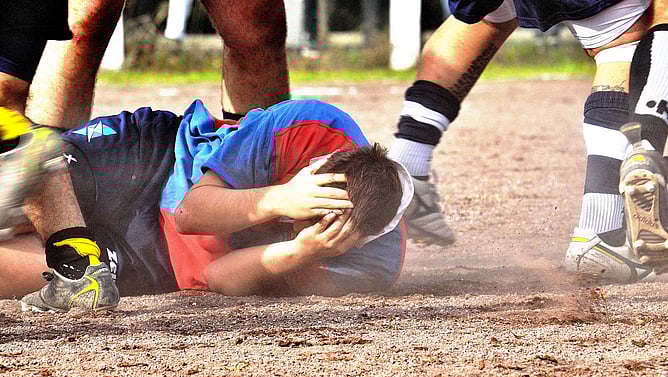
Concussion - often referred to as a mild traumatic brain injury (mTBI) - is far from 'mild' for those experiencing it. Persistent headaches, brain fog, fatigue, mood changes, and disrupted sleep can linger for weeks, months, or even years.
Traditional management has long focussed on rest and symptom management, but an increasingly large body of evidence suggests there is a more active way to support healing: Hyperbaric Oxygen Therapy (HBOT).
Understanding the injured brain
A concussion disrupts normal brain function at a cellular level. Reduced blood flow, inflammation, and impaired oxygen delivery create what some researchers describe as an 'energy crisis' in the brain. Without adequate oxygen, neurons struggle to repair and communicate effectively.
HBOT addresses this directly by delivering oxygen under pressure, significantly increasing the amount of oxygen dissolved in the blood plasma and delivered to brain tissue. This creates an environment that supports healing rather than simple waiting for it.
What the research shows
The work of Dr Paul Harch. One of the most influential voices in this field, Dr Paul Harch, has spent decades studying HBOT in brain injury. His research - including randomized controlled trials and systematic reviews - demonstrate that HBOT can produce meaningful improvements in patients with persistent post-concussion syndrome (PPCS):
Significant improvements in memory, cognitive function, and attention
Reduction in headaches, anxiety, depression, and sleep disturbances
Improved quality of life and daily functioning
'Hyperbaric oxygen therapy for mild traumatic brain injury persistent postconcussion syndrome: a randomized controlled trial. Paul G Harch et al Med Gas research 2020'
In a 2022 systematic review, Harch found that HBOT at around 1.5 ata showed statistically significant improvements in symptoms and cognition across multiple studies.
'Systematic Review and Dosage Analysis: Hyperbaric Oxygen Therapy Efficacy in Mild Traumatic Brain Injury Persistent Postconcussion Syndrome. Paul G Harch, Front Neurol. 2022'
Importantly, these benefits were not short-lived - many patients continued to improve even after completing treatment.
Harch's work also highlights a key concept - HBOT acts as a 'dual component therapy' - combining pressure and oxygen to stimulate repair processes such as:
Increased cerebral blood flow
Reduced inflammation
Activation of dormant or 'idling' brain cells
Enhanced neuroplasticity (the brain's ability to rewire itself)
The clinical insights of Dr Daphne Denham
While much of the early research focused on chronic concussion, Dr Daphne Denham has helped bring attention to the early (acute) use of HBOT.
Her recent clinical work using EEG-based brain biomarkers shows encouraging results when HBOT is applied soon after injury.
Rapid improvements in measurable brain function
Symptom resolution often within just a few treatments
Objective changes seen in brain activity scores before and after therapy.
'EEG-based biomarker supports hyperbaric oxygen therapy for acute concussions. Daphne Watkins Denham, Undersea Hyperbaric Med, 2025'
In her pilot data, young athletes treated within days of concussion showed marked improvements in brain function scores - from clearly concussed levels to near-normal ranges after treatment.
This challenges the long standing 'rest only' approach and suggests that early intervention may accelerate recovery and potentially reduce long-term complications.
Why HBOT may be so effective
HBOT doesn't just mask symptoms - it targets the underlying physiology of concussion. Research suggests it can:
Restore oxygen supply to injured brain tissue
Reduce swelling and inflammation
Improve blood flow to areas of dysfuntion
Stimulate healing and neuroplasticity
Support mitochondrial function (cell energy production)
In simple terms, HBOT helps the brain do what it's trying to do naturally - heal itself - only more efficiently.
Acute vs chronic concussion - timing matters
One of the most exciting developments in this space is the growing recognition that timing influences outcomes.
Acute concussion (first days to weeks). Early HBOT may shorted recovery time and reduce symptom severity
Persistent symptoms (months to years). HBOT still shows strong evidence for improving cognition, mood, and quality of life - even long after injury
The dual benefit makes HBOT unique among treatment options.
A shift in concussion care?
While HBOT is still not considered standard care for concussion in many settings, the growing body of research - combined with clinical research - suggests a shift may be underway.
The work of clinicians and researchers like Dr Harch and Dr Denham is helping redefine how we think about concussion recovery - from passive rest - to active, targeted brain healing.
Final thoughts
Concussion can be complex, frustrating, and life-altering - but recovery doesn't have to be passive.
Hyperbaric Oxygen Therapy offers a science-backed, physiologically targeted approach that is gaining momentum worldwide. Whether used early or later in the recovery process, HBOT is showing real potential to improve outcomes and restore quality of life.
As research continues to evolve, one thing is becoming increasingly clear. Oxygen - delivered the right way - may be one of the brain's most powerful tools in healing.